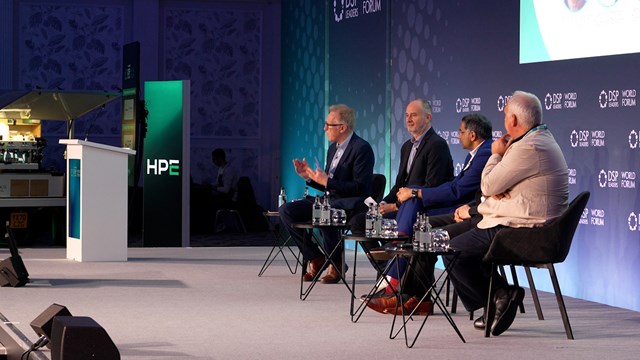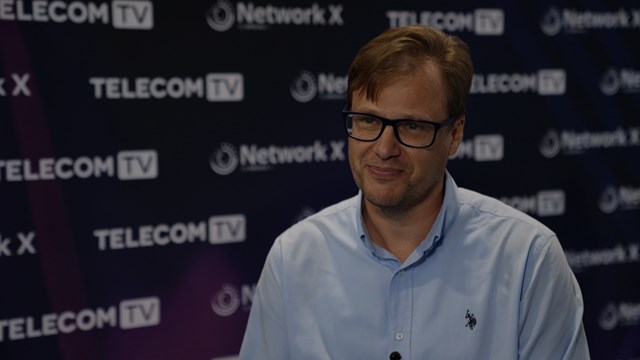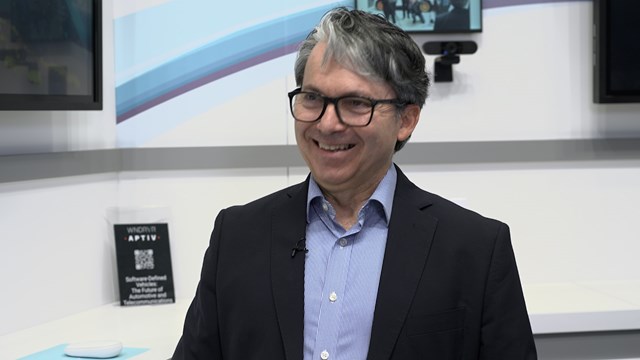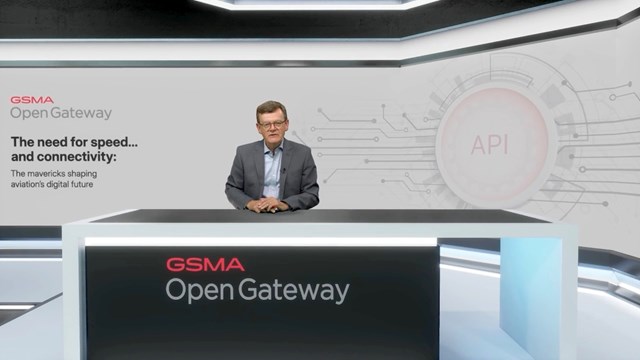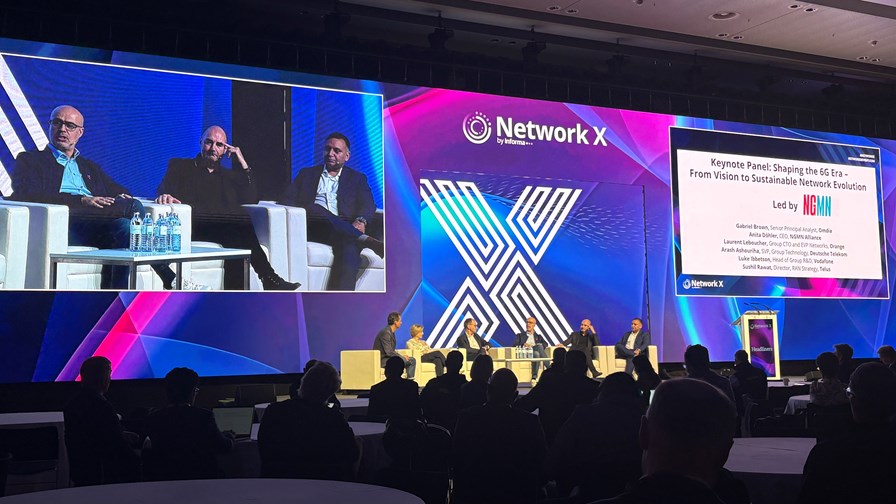
Executives from Deutsche Telekom, Orange, Telus and Vodafone join NGMN CEO Anita Döhler and panel host Gabriel Brown of Omdia to discuss the transition to 6G.
- Operators want 6G to help cut costs and build on 5G investments
- At Network X 2026, NGMN members called for fewer migration options and smarter spectrum sharing
- AI is driving demand for faster innovation ahead of widespread 6G deployment
The telecom industry must ensure that 6G delivers a compelling business case without forcing operators into another costly network overhaul, according to senior executives from Vodafone, Orange, Deutsche Telekom and Telus, who were speaking during a panel at the recent Network X 2026 event in Vienna.
During the NGMN-led discussion, the operators stressed the importance of reducing total cost of ownership, reusing existing infrastructure and avoiding the proliferation of migration options that could increase complexity for both operators and vendors.
“6G is something that we can invest in and deploy when the technology reaches a level of maturity” aligned with operators’ natural network refresh cycles, said Luke Ibbetson, head of group R&D at Vodafone Group.
With 5G standalone already delivering high-performance connectivity, the next generation has a “formidable baseline to beat”, he added, arguing that 6G must demonstrate tangible benefits, including lower operating costs, improved energy efficiency and better customer performance, while building on existing 5G investments.
Spectrum sharing takes centre stage
A key challenge is how to transition to 6G without compromising existing services or adding unnecessary cost. Multi-radio spectrum sharing (MRSS), which would allow spectrum to be shared dynamically between 5G and 6G, is emerging as a priority.
Laurent Leboucher, Orange’s group CTO and EVP of networks, who is also chairman of the NGMN Alliance board, said: “We need a way to use the spectrum in a very dynamic way between 5G and 6G. We call it MRSS.”
The approach is particularly important because 6G may initially lack a dedicated low-frequency band offering broad coverage.
Vodafone’s Ibbetson warned that MRSS must work as expected to avoid undermining existing 5G services: If it fails to perform as simulations suggest, he said, “it fundamentally damages the investment technology”.
The panel also cautioned against repeating the complexity of 5G standardisation, which produced multiple deployment options. Arash Ashouriha, Deutsche Telekom’s senior VP of group technology, argued that every additional option places demands on vendors’ limited R&D resources and increases implementation and testing costs.
AI demands a faster operating model
Beyond the radio network, the panel debated whether 6G requires a fundamentally new core architecture or should instead evolve the service-based architecture established with 5G.
Leboucher argued that the industry needs to reconcile the competing approaches, rather than simply choose between wholesale replacement and incremental change. He also questioned whether traditional standardisation could keep up with AI. “3GPP cannot cope with the pace of AI, so it’s impossible to standardise AI and the way agents will interact,” he said.
Instead, Leboucher proposed a two-layer approach, with a reliable foundation providing essential network capabilities and a more flexible layer allowing AI agents to interact with those capabilities: “One layer where we have the basic capabilities, which are implemented in a deterministic way to provide stability, alongside capabilities exposed to agents that can interact with a more open and flexible ecosystem.”
Ashouriha backed the search for common ground, warning that the industry must balance innovation against the practicalities of investment. “We are fighting for two, three per cent growth,” he said. “We always have to think: What brings us forward? What is a leapfrog? But we don’t have to turn everything upside down.”
Sushil Rawat, director of RAN strategy at Telus, stressed the importance of standardisation in ensuring that networks remain interoperable across countries and operators. But he warned that standardisation must not become an obstacle to innovation: “While AI is growing at a smooth capacity, we cannot be in another 10-year cycle.”
- James Pearce, Editor, TelecomTV
Email Newsletters
Sign up to receive TelecomTV's top news and videos, plus exclusive subscriber-only content direct to your inbox.