- South Korea’s leading telco duo are suffering the impact of their respective cyber breaches
- Both have recently appointed new CEOs
- SK Telecom is reportedly set to axe a number of executives
- Meanwhile, KT has signalled it will take a charge in the fourth quarter as it replaces SIM cards and pays compensation to affected customers
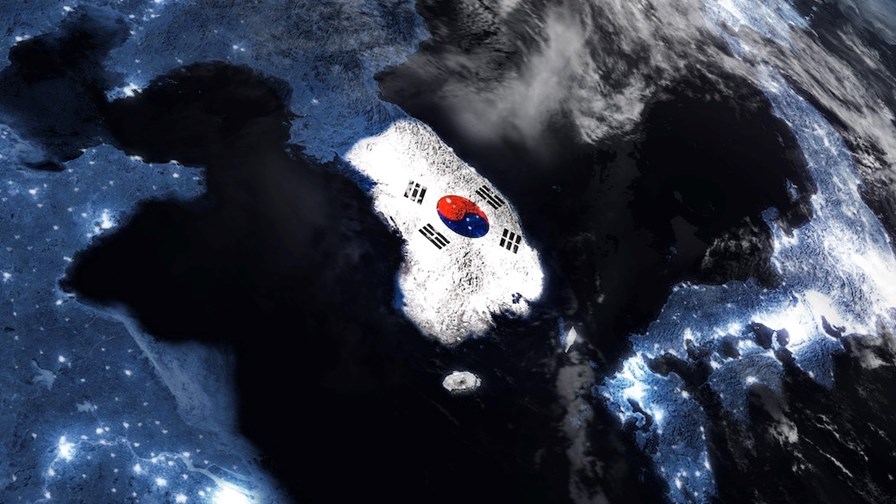
Telcos around the world would do well to take heed of what is happening to their peers in South Korea, where the initial painful impact of cybersecurity incidents at two of the country’s three mobile operators, SK Telecom and KT Corp, is set to be followed by a long tail of significant costs and disruptions.
As TelecomTV has previously reported, SK Telecom suffered a significant cyber breach earlier this year that has had multiple ramifications that were laid bare in the company’s third-quarter financial report, the publication of which was accompanied by the appointment of a new CEO – see SKT suffers cyberbreach fallout, appoints new CEO.
In the wake of that financial report, which highlighted the impact of the breach on revenues, costs and margins, speculation is now rife that SK Group, the telco’s parent company, is in the process of making major cuts in SK Telecom’s executive ranks and consolidating multiple units within the company. This is something the operator signalled in the third-quarter earnings release when it referenced a plan to “reorganise its previously dispersed company-wide AI capabilities into the AI CIC (company in company) and accelerate the transition to an AI-centered business structure.”
According to The Chosun Daily, SK Telecom will soon announce a major reduction in the number of executive roles and further consolidation of company units. There is no indication currently of how many employees will be affected, though the company’s executive ranks are expected to shrink by about 30%. SK Telecom is believed to have already received resignations from C-level executives and begun the process of notifying others that have been targeted for “retirement”.
Even SKT’s up-and-coming AI operations, which are reporting growing revenues and are set for domestic and international expansion, as signalled during the operator’s recent SK AI Summit 2025 event, are not immune. According to The Chosun Daily, about 40% of executives at SKT’s AI CIC have already been axed. An internal source told The Chosun Daily, “the atmosphere is tense as executives are being cut and teams consolidated”.
As SKT suffers, and about 840,000 of its former mobile handset subscribers churn to rival service providers, so South Korea’s other two main mobile operators, KT Corp and LG Uplus, are set to gain – that trend was already apparent in their respective second-quarter financial results published in the summer – see KT, LG Uplus make hay as SKT suffers.
And KT Corp has just reported its third-quarter results, which again show an uptick in year-on-year sales and operating profits, with the former up by 7.1% to 7,127bn Korean won ($4.87bn) and the latter up by 16% to $367m.
But there is a sting in the tail for KT Corp following its own cybersecurity nightmare. In September, KT admitted hackers were likely to have stolen subscriber information after they managed to connect illegal mini base stations to the operator’s network, which resulted in a spate of fraudulent micropayments, and subsequently admitted its internal servers have also been compromised on a number of occasions – KT’s data breach woes get worse.
Now KT has announced it is to offer free SIM card replacements to all of its 22.2 million mobile subscribers (including those connected to the network via mobile virtual network operators) and offer compensation packages to customers, including the service cancellation fee waivers.
It is also reimbursing all 368 subscribers who were affected by the fraudulent micropayment: That cost, a total of 240m won ($164,000), is a trifling amount and nothing compared with the cost of the SIM replacement programme and other mobile customer compensation packages. The operator is also subject to government and law-enforcement investigations that could result in financial penalties and is investing in shoring up its mini base station security systems and introducing real-time fraud management tools. In the wake of SKT’s cyber breach earlier this year, KT pledged to invest more than 1 trillion won ($682m) over the next five years to strengthen its cybersecurity defences.
As we reported last week, KT’s CEO Kim Young-seop is taking the hit and stepping down from his role – see KT Corp’s CEO falls on his cyber-breach sword.
KT Corp. declined to provide a figure for the financial hit it is expecting as a result of all these measures, but the operator’s CFO, Min Jang, noted during the company’s earnings conference call that it expects to report a one-time charge related to the SIM card replacement programme in its fourth-quarter earnings, which will be published early next year.
Both SKT and KT are investing heavily in their AI infrastructure and services strategies to diversify their portfolios and capture the AI wave, but for the foreseeable future both will be counting the cost of failing to implement mobile network security measures that are fit for purpose in the digital services era.
- Ray Le Maistre, Editorial Director, TelecomTV
Email Newsletters
Sign up to receive TelecomTV's top news and videos, plus exclusive subscriber-only content direct to your inbox.