IOH forges AI infra JV with Nvidia, Nokia and Ooredoo

By Ray Le Maistre
Aug 7, 2026
- Indonesian operator Indosat Ooredoo Hutchison (IOH) has launched a new joint venture, Zankore by Indosat, with big name partners
- It is a standalone full stack AI infrastructure entity that combines compute, networking and AI models to create an integrated AI proposition for all types of users in South-East Asia
- Nvidia and Nokia are the prime technology partners
- Telco group Ooredoo is the lead investor, pledging $800m to support the development and launch of Zankore
- Well known industry figure Ulf Ewaldsson has been appointed as the venture’s CEO
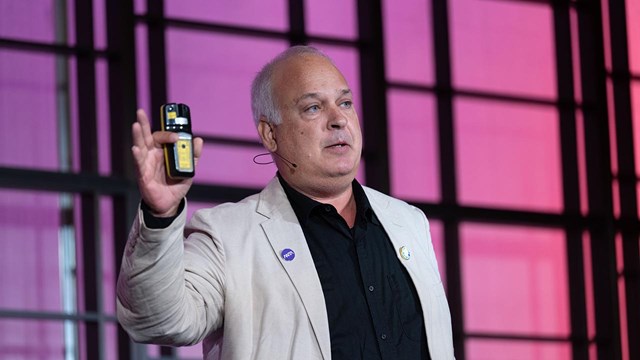
Vikram Sinha, CEO at Indonesia’s Indosat Ooredoo Hutchison (IOH), does not lack ambition. Having positioned IOH as an early and enthusiastic participant in the AI factory, AI-RAN and local language AI large language model (LLM) ecosystems, Sinha is now pitching the telco as a regional AI infrastructure powerhouse with the launch of a new joint venture (JV), Zankore by Indosat, which, with the help of Nvidia, Nokia and Ooredoo Group, aims to play a major role not only in Indonesia and the South-East Asia region but also influence global developments.
“The collaboration is designed to meet the region's rapidly growing demand for secure and scalable AI computing, while advancing Indonesia's position as a regional AI hub,” noted IOH in this announcement.
One way to think of Zankore, which has been launched as a standalone entity, is as a neocloud platform on steroids. It combines the power of AI datacentre hardware and software, the orchestration of an AI grid architecture, the distributed processing of AI-RAN deployments, the appeal of local language AI models, and the industrial muscle of Nokia and Nvidia. It also has the support and financial backing of Ooredoo, which, as lead investor in the JV, has taken a 49% stake in Zankore and which has pledged to invest $800m to develop and launch the platform.
TelecomTV understands that all four main partners have an equity interest in the joint venture, but the size of the individual stakes other than that or Ooredoo has not been shared.
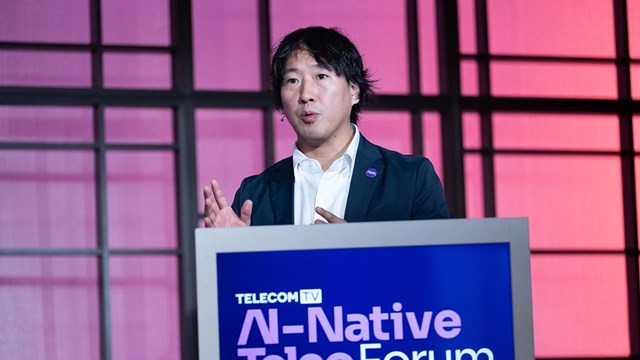
The joint venture’s board of directors comprises representatives from its principal shareholders – CEO Aziz Aluthman Fakhroo and chief strategy officer Thomas Chevanne representing Ooredoo Group, and Sinha and Vishal Gupta, Chief Techco Transformation & Procurement Officer, representing IOH – as well as experienced tech sector executive Arijit Ranjan Sarker as an independent director.
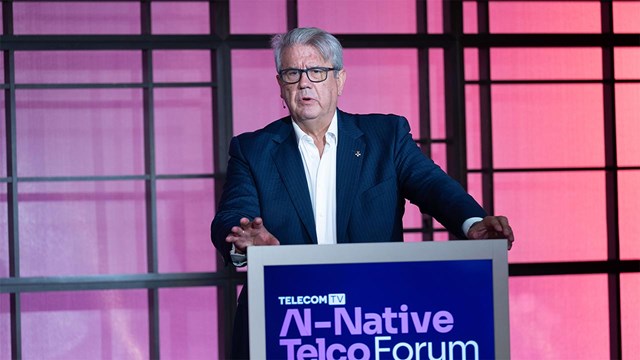
Ulf Ewaldsson has been appointed as the CEO of Zankore. He is well known in the telecom sector thanks to his stints as Ericsson’s CTO and as president of technology at T-Mobile US (from where he retired late last year). “Together, the board of directors and CEO provide strategic oversight, leadership, and governance as Zankore scales its AI infrastructure platform across Southeast Asia,” noted IOH.
More than just an AI factory
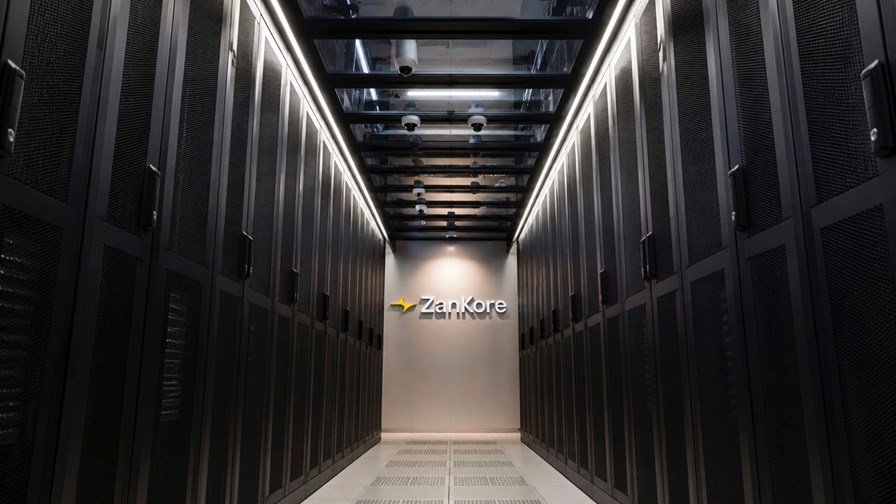
At the heart of the Zankore proposition is the AI factory platform, which is on course to deliver 200 megawatts (MW) of capacity by early 2027 and ultimately reach 1 gigawatt (GW) of capacity, which will make it “one of the region’s largest AI infrastructure platforms”, according to IOH.
Nvidia is providing its DSX AI factory reference architecture of software, hardware and operations for the deployment that is designed to produce low-cost tokens at optimum energy efficiency. The DSX platform is also being deployed in South Korea, which is also aiming to become a regional AI hub and a global influencer – see Nvidia expands its Korea opportunities.
Specifically, as part of DSX, Nvidia is supplying its GB300 NVL72, a liquid-cooled, rack-scale supercomputing platform built on the Blackwell Ultra architecture. The Zankore platform will also incorporate Nvidia’s DSX MaxLPS, an energy management system designed to maximise token performance per MW in AI factories by dynamically optimising power across the GPU resources. “MaxLPS is designed to enable up to 40% more compute within the same power budget, increasing Zankore’s capacity to serve customers and generate revenue,” the operator added.
There are fewer details about Nokia’s deliverables, with IOH noting that the vendor will deliver “AI-native networking for secure, high-performance AI infrastructure,” though it seems very likely that Nokia will supply a range of optical and data transport systems for deployment within and between AI factories and AI-RAN hubs (which it will also supply) to enable the AI grid architecture. The AI grid is a concept unveiled in March, when IOH was announced as one of its early proponents: IOH has been an enthusiastic supporter of Nvidia’s roadmap for telcos since the two companies first announced their collaborative relationship in early 2024.
IOH “brings trusted market leadership, digital infrastructure, and execution capabilities to accelerate AI adoption in Indonesia” to the JV, while Ooredoo, which has been a significant shareholder in IOH since the operator’s M&A-enabled formation in early 2022, is providing “long-term capital, and regional scale as lead investor and platform sponsor.”
Investment for the future
Ooredoo is confident of a decent return in the coming years. It stated in its announcement about the $800m investment that the initial capital outlay “is expected to contribute approximately $600m in cumulative EBITDA to Ooredoo Group over the first five years of the investment according to current estimates, increasing the share of earnings generated from digital infrastructure assets while expanding the Group's exposure to resilient hard-currency infrastructure earnings. The platform also provides a foundation for future capacity expansion,” stated the Doha, Qatar-based telco.
It also noted that the investment provides it with “exposure to one of the world's fastest-growing digital infrastructure markets,” as, based on “industry analysis” (sources not cited), “Southeast Asia's datacentre capacity demand is expected to grow approximately 3.5x by 2030, predominantly driven by AI workloads, creating sustained long-term demand for AI compute infrastructure.”
Ooredoo Group’s CEO Aziz Aluthman Fakhroo stated: "Over recent years, we have systematically built one of the MENA region's leading digital infrastructure portfolios. With Zankore, we are taking the next logical step by adding AI compute to that portfolio, extending our approach into the high-growth Southeast Asian market – one of today's most dynamic AI infrastructure opportunities. We believe AI will define the next decade of value creation in emerging markets. Our role is to invest alongside the right partners, in scalable platforms that create long-term value for our shareholders while supporting the digital ambitions of the markets we serve."
He added: “AI infrastructure is becoming a fundamental layer of the digital economy, and we believe the greatest opportunities will be created by investing early, at scale and with the right partners.”
Ooredoo noted that Zankore adds to its current international portfolio of international terrestrial and subsea fibre networks and datacentre facilities with “an integrated digital infrastructure platform spanning networks, datacentres and AI compute” that will initially be built out in Indonesia “before expanding across Southeast Asia, giving Ooredoo long-term exposure to one of the world's fastest-growing AI and cloud markets.”
IOH’s Sinha, as you’d expect, believes Zankore will be able to deliver against customer demands. “As enterprises move from AI experimentation to mission-critical deployment, they need more than computing power; they need an integrated AI ecosystem. By bringing together the full AI stack, from models such as Sahabat-AI to intelligent network capabilities including AI Grid and AI-RAN, Zankore by Indosat provides the trusted foundation to accelerate AI adoption at scale.”
IOH noted recently, as Sinha was handed a five-year extension to his tenure as CEO, that Sahabat-AI has now been launched to offer users in Indonesia a “locally developed large language model designed to better understand Indonesian languages and context… Built on a multi-model and multi-modal AI approach, the platform is designed to lower barriers to AI adoption in Indonesia, while expanding access for individuals and organisations to use AI in practical and relevant ways.”
- Ray Le Maistre, Editorial Director, TelecomTV
Email Newsletters
Sign up to receive TelecomTV's top news and videos, plus exclusive subscriber-only content direct to your inbox.