AI-native challenges and timescales polarise the industry

By Richard Thurston
Oct 27, 2025

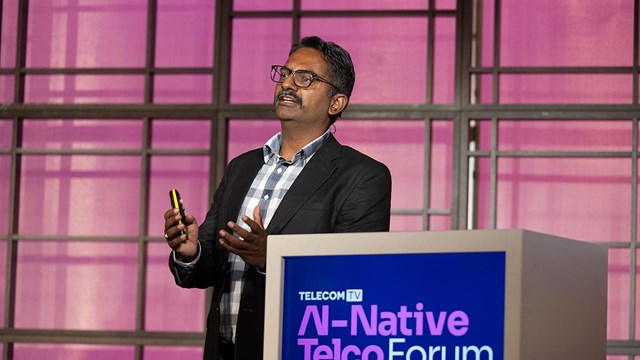
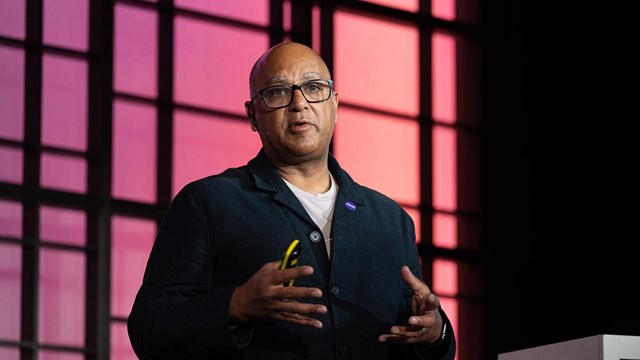
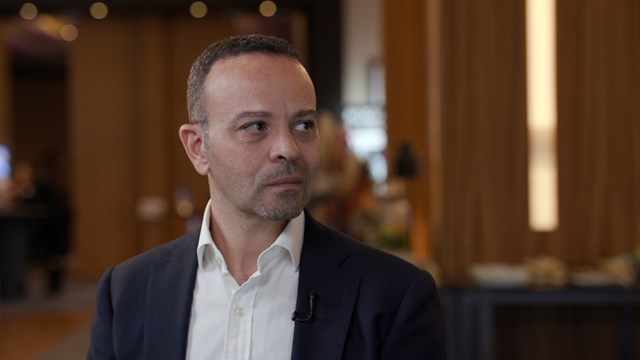
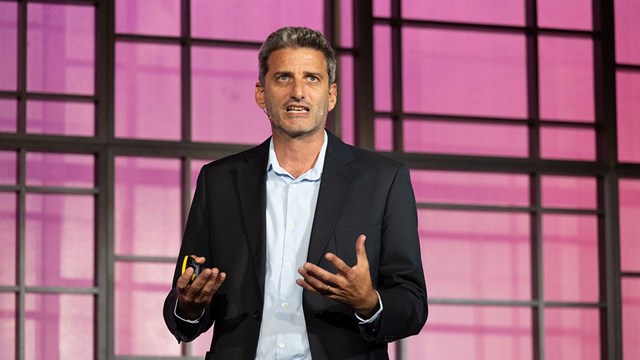
Left to right: Guy Daniels, TelecomTV; Itsuma Tanaka, Docomo Communications Laboratories Europe; Benjamin Hickey, IBM; Konstantinos Chalkiotis, Deutsche Telekom; Dean Bubley, Disruptive Analysis
- Telecom industry experts are split between the AI bullish and the AI cautious
- AI will require strong change management from board executives
- Operators must overcome security, risk and trust challenges
Düsseldorf, Germany – AI-Native Telco Forum – Amid reports of considerable progress with pockets of AI, experts at last week’s AI Native Telco Forum emerged heavily divided on when telcos would become truly AI native.
It’s also apparent from the event, which was organised by TelecomTV, that the industry is split on what it deems to be AI native and how exactly to get there. Itsuma Tanaka, president and CEO of Docomo Communications Laboratories Europe, argued that the rollout of 6G offers a prime opportunity for telcos to become AI native in around 2030, but his views divided other experts.
IBM’s Benjamin Hickey, director of product portfolio management and M&A for software networking, was more pessimistic, noting the road to being AI native would take around 10 to 15 years because of the quantity of legacy technology still in use.
Konstantinos Chalkiotis, vice president for access technologies and spectrum at Deutsche Telekom, took the opposite view, arguing that current progress means telcos are partially AI native already and that Tanaka’s timescales are too long.
Industry analyst Dean Bubley of Disruptive Analysis chose a different tack. “I don’t think it’s related to 6G,” he said, adding that there will be AI elements of 6G and non-AI elements.
Speakers at the event ranged from the bullish to the cautious in terms of agentic AI.
While Ahmed Hafez, senior vice president of network strategy and data and AI in networks at Deutsche Telekom, stressed that agentic AI has “the biggest value” to the operator, Orange was less bullish. Its vice president of software engineering Philippe Ensarguet warned, “Agentic AI is just born. We need to be very cautious.” He added, however, that Orange is exploring its options in lab environments and detailed three specific cases.
Several speakers called for board-level leadership to stimulate AI adoption through a managed change process in telco culture. Danielle Rios, acting CEO at Totogi said, “This [AI transformation] is huge change management. The executive team needs to be 100% aligned that this is the direction we are going to take. It’s super important to show quick wins to show you are serious about the change.”
David Warnock, director of solutions architecture for Blue Planet (which is part of equipment vendor Ciena), argued that it is wise to target specific personality traits in operators to improve the chance of winning the argument on change management. He said he has come up against an individual in a prospective client who had designed the legacy system decades previously and was pushing against his proposal for change. “You need to focus on the AI evangelists and elevate them. They will get you through the PoC [proof of concept],” added Warnock.
One main set of challenges that emerged at the event is security, risk mitigation and trust. “Security of AI, security from AI, and security by AI,” said Docomo’s Tanaka. “We need to protect AI itself, then [look at] how we protect the system, then how we use AI to protect us from those attacks.”
Bubley took a different tack, focusing on the risks to AI assets of physical theft and damage, which has already plagued the assets of many operators around the world.
Ensarguet said that security is one of the biggest AI learnings at Orange, which reported last week that its cybersecurity arm had seen a 6.3% revenue increase in the first nine months of the year. In terms of trust, he explained that operators need to build a “mission-critical system” and that they have to “be sure about agents’ actions”.
Nastasi Karaiskos, vice president of global sales for telecom at Wind River, warned that the resilience of the AI-native telco is critical given user expectations that networks and applications will now be constantly available. “Look at Vodafone, AWS and CrowdStrike,” he said. “Any simple errors can make global headlines.”
Speakers at the event argued that the AI-native telco will need very different skills to those of today. As well as the obvious AI and machine learning (ML) skills, favoured expertise will include cloud, data science, domain knowledge and the ability to work across teams with very different skill sets, according to Nabil Lahyani, head of autonomous network analytics at Nokia. “[Simply] hiring an AI engineer doesn’t mean my business will grow,” he said.
Experts were also polarised on the prospect of telcos not having a loud enough voice in AI developments alongside big tech companies. “It’s a big concern for us, for sure,” said Tanaka. “Applications for AI need our infrastructure. [We should] make a bigger noise so we stay in the game.”
But Deutsche Telekom’s Chalkiotis was less concerned. “We’re not creating a big noise around this, but we are working on it as an opportunity commercially. We’re being efficient,” he said.
– Richard Thurston, Contributing Editor, TelecomTV
Email Newsletters
Sign up to receive TelecomTV's top news and videos, plus exclusive subscriber-only content direct to your inbox.