MWC26: ETSI’s role in AI security, 6G and the quantum era

By James Pearce
Mar 12, 2026
To embed our video on your website copy and paste the code below:
<iframe src="https://www.youtube.com/embed/HGtBNaZvD0k?modestbranding=1&rel=0" width="970" height="546" frameborder="0" scrolling="auto" allowfullscreen></iframe>
James Pearce, TelecomTV (00:08):
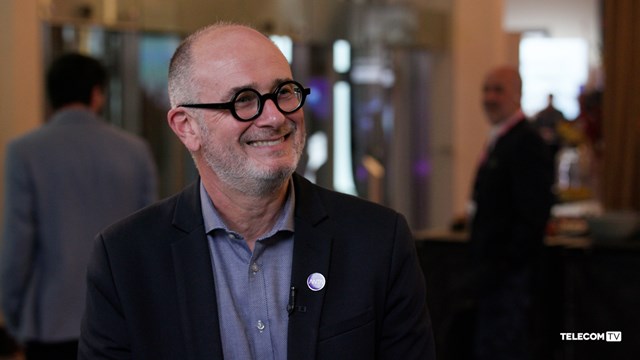
I'm at Mobile World Congress. My name's James Pearce. I'm delighted to be joined today by Jan Ellsberger, who's the Director General of ETSI. Welcome, Jan.
Jan Ellsberger, ETSI (00:16):
Great pleasure to be here, and thank you for the opportunity.
James Pearce, TelecomTV (00:19):
What are the industry trends driving ETSI's work right now?
Jan Ellsberger, ETSI (00:24):
When it comes to emerging technologies, we are really moving from early research and experimentation into real development and standardisation. So if you look at AI, for instance, we are moving from AI as a tool to native AI, where AI is really embedded in the design of everything we do. 6G is moving from research into the real standardisation work in 3GPP. That work has been kicking off now on full scale. So really maturing the 6G pieces and aligning the industry around the 6G concepts. And then we also have security, trust and security, which is really sort of becoming very critical, important horizontal requirements across all digital technologies. So that of course also includes post-quantum security, et cetera. And in addition to that, we also have the political situation where a lot of discussions from policymakers is on tech sovereignty and strategic autonomy. And of course, standardisation is a tactical tool in that context as well.
(01:32):
So that keeps us very busy at ETSI at the moment.
James Pearce, TelecomTV (01:35):
That sounds really busy. So why, in your view, is ETSI best placed to develop cybersecurity requirements for AI models?
Jan Ellsberger, ETSI (01:43):
If you look at AI, I mean, ETSI is your direct participation model where it's a public-private partnership where industry and then the policymakers are taking place, taking part in the work from equal terms, et cetera. We are very well suited to bring together the tech experts, the network operators, the vendors, and the cloud providers, and the regulators to jointly really look at the security aspects of not only the AI models, but the development and deployment of AI through its lifecycle. And here, we're really strong in developing the guidelines and standards for the industry that really have an impact on the deployment and implementation level.
James Pearce, TelecomTV (02:36):
So how is ETSI involved in the development of 6G?
Jan Ellsberger, ETSI (02:40):
I mean, ETSI is an organisational partner of 3GPP, so we are of course supporting 3GPP in everything it does. We are running the secretariat and 3GPP. So we are very much engaged and securing that 3GPP is sort of fit for the future and have all tools and capabilities in place to develop 6G in the best way going forward. From an ETSI point of view, we are also helping to bridge 6G research and also do pre sort of discussions and some pre-technology alignment of search results coming out of research projects like the SNS Joint Undertaking, et cetera. So we're also helping our members to bring those pieces into the 3GPP work.
James Pearce, TelecomTV (03:32):
When it comes to the telecom sector, do you think the industry's paying enough attention to the security challenge that technology such as quantum computing brings?
Jan Ellsberger, ETSI (03:42):
Yeah, I think the awareness is definitely there, but maybe the awareness to really, that there's a sense of urgency is maybe not really there yet. I mean, if you look at when we have quantum computing, you really need to have security solutions in place that are post-quantum safe, and the deployment of those solutions cannot start when we have quantum computers available. So through the work we are doing, we're sort of trying to support that migration of the security solutions and the networks through standards and through the activities we have in our quantum-related activities.
James Pearce, TelecomTV (04:30):
Sounds really important as well. So what's next for ETSI? Are there any new industry spec groups planned for this year?
Jan Ellsberger, ETSI (04:37):
I mean, we are of course following the industry and what our members want to do. So there's of course always some new areas coming up. Maybe have the Euro 3C project, which is sort of really looking at how to bring AI, cloud and networking together in a future-proof and aligned sort of architecture. And ETSI is a partner in that project. And that is of course something that we need to look at how we organise that work from a standardisation point of view. So maybe the networking aspect is maybe also one area, which is pretty high on the agenda right now.
James Pearce, TelecomTV (05:15):
Jan, thank you so much for joining me today on TelecomTV.
Jan Ellsberger, ETSI (05:18):
Thank you so much. It was a pleasure as always.
I'm at Mobile World Congress. My name's James Pearce. I'm delighted to be joined today by Jan Ellsberger, who's the Director General of ETSI. Welcome, Jan.
Jan Ellsberger, ETSI (00:16):
Great pleasure to be here, and thank you for the opportunity.
James Pearce, TelecomTV (00:19):
What are the industry trends driving ETSI's work right now?
Jan Ellsberger, ETSI (00:24):
When it comes to emerging technologies, we are really moving from early research and experimentation into real development and standardisation. So if you look at AI, for instance, we are moving from AI as a tool to native AI, where AI is really embedded in the design of everything we do. 6G is moving from research into the real standardisation work in 3GPP. That work has been kicking off now on full scale. So really maturing the 6G pieces and aligning the industry around the 6G concepts. And then we also have security, trust and security, which is really sort of becoming very critical, important horizontal requirements across all digital technologies. So that of course also includes post-quantum security, et cetera. And in addition to that, we also have the political situation where a lot of discussions from policymakers is on tech sovereignty and strategic autonomy. And of course, standardisation is a tactical tool in that context as well.
(01:32):
So that keeps us very busy at ETSI at the moment.
James Pearce, TelecomTV (01:35):
That sounds really busy. So why, in your view, is ETSI best placed to develop cybersecurity requirements for AI models?
Jan Ellsberger, ETSI (01:43):
If you look at AI, I mean, ETSI is your direct participation model where it's a public-private partnership where industry and then the policymakers are taking place, taking part in the work from equal terms, et cetera. We are very well suited to bring together the tech experts, the network operators, the vendors, and the cloud providers, and the regulators to jointly really look at the security aspects of not only the AI models, but the development and deployment of AI through its lifecycle. And here, we're really strong in developing the guidelines and standards for the industry that really have an impact on the deployment and implementation level.
James Pearce, TelecomTV (02:36):
So how is ETSI involved in the development of 6G?
Jan Ellsberger, ETSI (02:40):
I mean, ETSI is an organisational partner of 3GPP, so we are of course supporting 3GPP in everything it does. We are running the secretariat and 3GPP. So we are very much engaged and securing that 3GPP is sort of fit for the future and have all tools and capabilities in place to develop 6G in the best way going forward. From an ETSI point of view, we are also helping to bridge 6G research and also do pre sort of discussions and some pre-technology alignment of search results coming out of research projects like the SNS Joint Undertaking, et cetera. So we're also helping our members to bring those pieces into the 3GPP work.
James Pearce, TelecomTV (03:32):
When it comes to the telecom sector, do you think the industry's paying enough attention to the security challenge that technology such as quantum computing brings?
Jan Ellsberger, ETSI (03:42):
Yeah, I think the awareness is definitely there, but maybe the awareness to really, that there's a sense of urgency is maybe not really there yet. I mean, if you look at when we have quantum computing, you really need to have security solutions in place that are post-quantum safe, and the deployment of those solutions cannot start when we have quantum computers available. So through the work we are doing, we're sort of trying to support that migration of the security solutions and the networks through standards and through the activities we have in our quantum-related activities.
James Pearce, TelecomTV (04:30):
Sounds really important as well. So what's next for ETSI? Are there any new industry spec groups planned for this year?
Jan Ellsberger, ETSI (04:37):
I mean, we are of course following the industry and what our members want to do. So there's of course always some new areas coming up. Maybe have the Euro 3C project, which is sort of really looking at how to bring AI, cloud and networking together in a future-proof and aligned sort of architecture. And ETSI is a partner in that project. And that is of course something that we need to look at how we organise that work from a standardisation point of view. So maybe the networking aspect is maybe also one area, which is pretty high on the agenda right now.
James Pearce, TelecomTV (05:15):
Jan, thank you so much for joining me today on TelecomTV.
Jan Ellsberger, ETSI (05:18):
Thank you so much. It was a pleasure as always.
Please note that video transcripts are provided for reference only – content may vary from the published video or contain inaccuracies.
Jan Ellsberger, Director-General, ETSI
ETSI’s director general, Jan Ellsberger, discusses the role standardisation will play in emerging technologies such as 6G, how ETSI is bringing together experts to develop cybersecurity for AI, and the challenges that the quantum computing era will bring.
Recorded March 2026
Email Newsletters
Sign up to receive TelecomTV's top news and videos, plus exclusive subscriber-only content direct to your inbox.