To embed our video on your website copy and paste the code below:
<iframe src="https://www.youtube.com/embed/ZgmQjQJivdA?modestbranding=1&rel=0" width="970" height="546" frameborder="0" scrolling="auto" allowfullscreen></iframe>
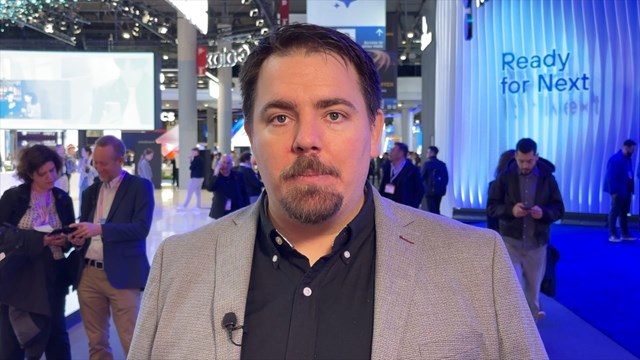
Ray Le Maistre, TelecomTV (00:07):
We are at MWC26 in Barcelona. I'm here with Yukapeka Salmankata. He is managing director of Gridle, which is part of Finland's Elisa industry. Yukapeka, thanks very much for joining us today. Can you tell us what Gridle is and how it was formed? Gridle is energy
J’ukka-Pekka Salmenkaita, Gridle (00:30):
Flexibility service where we operate customers' flexible energy assets so that they, on one hand, save on the overall energy cost and also they gain new revenue streams by providing stabilization services for the energy grid. And like in practice, like this started from Ellis's own basis on infrastructure. Ellis, like many other operators, have plenty of batteries in the radio infrastructure and also on the fixed network side primarily for the purposes of resiliency and service continuity. And what we did several years ago was to harness those batteries, upgrade them to litium, increase the capacity and develop the smart control system that is aggregating the thousands of waste stations to get them and every second deciding like whether they are like charging or discharging the energy. And how this is turned into economic benefit on one hand, we are optimizing the cost of the energy consumed by the radios.
(01:46)
So radios console what they want to be consuming, but we are taking much more energy in when the ample wind production is high and energy price is low. And then we are avoiding taking in the energy on those hours when energy is expensive and typically more fossil fuel based production is utilized. And also what we are doing with this flexible fleet, we are providing services for the energy grid stabillization. And from that perspective, it's the transmission system operate of the energy grid who is paying for these services and the assets are also helping the grid remain stable, avoiding the kind of catastrophe that happened here in Spain and Portugal last spring.
Ray Le Maistre, TelecomTV (02:34):
Okay. Can you just tell us a little bit more about the kind of impact that this energy management has had on your sister company, Elisa, which is a network operator in Finland and pretty well known for being at the sort of cutting edge of network and management innovations. So if we look from multiple angles
J’ukka-Pekka Salmenkaita, Gridle (02:56):
On this, like first resilience and service continuity, we already had a rather strong regulatory requirement, typically three hours backup time required for the nationwide coverage. And what we have been doing with this increased battery investment, we have been pushing that to three times, and then we have added on our software improvements that are utilizing like on times of lack of how the energy is used. And the end result is that we can be serving the customers then 20, 24 hours. So like the resilience has been increased dramatically compared to the regulatory requirements. Then the second is economic. The combination of this smarter use of the renewable energy when it is inexpensive and providing the services for the transmission system operate, the end result of both of these items is that the effective energy cost is reduced to half. So 50% savings of the energy OpEx as a combination of smart energy purchasing and then providing the flexibility services for the DSO.
Ray Le Maistre, TelecomTV (04:10):
Okay, excellent. So you've come out of a heritage of Elisa, and obviously you're helping that operator with its strategy, but which other kinds of companies are you working with now to help them meet their green network goals?
J’ukka-Pekka Salmenkaita, Gridle (04:28):
From the
Ray Le Maistre, TelecomTV (04:28):
Nordic
J’ukka-Pekka Salmenkaita, Gridle (04:29):
Area, Telenor, starting with the finish operation was the first one that we announced some time ago. And now last week we announced the collaboration with wanted actually here in Spain or starting from here in Spain. And from that perspective, we believe as the requirements for resilience and also the green transition, like being smart, how you utilize the zero carbon energy as those resilience and green requirements are increasing. We believe crito kind of setup should become the standard arosold radio network operations.
Ray Le Maistre, TelecomTV (05:15):
What are the main kind of challenges that you're facing in helping these companies to meet their energy efficiency goals? Because everybody's trying to reduce their power consumption, but networks are getting bigger, there's more AI infrastructure coming into support networks. What are the big challenges that you're facing now in helping these companies meet their goals? First, I would separate
J’ukka-Pekka Salmenkaita, Gridle (05:43):
At these two angles. First is like how you operate your radius and other infrastructure in a smart way, how you like modernize to the latest technologies, sunset, the old more power hungry technologies and so on. And that is like important area can yield like really significant savings if you compare, for example, like energy consume per terabyte of data transferred. So that's like one area where the network operations need to be modernized. But then what critically is going is the complementary other angle that when you are smart in what you need to be consuming, how you actually behave towards the energy markets, how you take the inexpensive green energy when it is plentiful, how you avoid consumer energy when fossil fuel based expensive generation is more used and also how you should put overall energy system to transfer towards the more warrior wind and solar based production.
(06:53)
And this is the area that Criddle makes easy as a service for the telecom operators. Bottle next slide, one is cyber security, like it's increasingly in focus for very good reasons. And in this area, there's a tendency that the energy system was considered to be passive infrastructure. It was set up there and expected to be working for the five, 10, 15 years. It was not actively managed and so on. And that is like what we are changing every second for every single site, like we are deciding whether they are charging, discharging, or whether they go for the resiliency mode. And from that perspective, what used to be considered passive infrastructure is very much active and it needs to be done in a secure way. And that's like mindset change as well and needs to be planned carefully. And then the second is from the investment perspective, it used to be so that these resilience requirements were cost side item only, and it's very natural for the business that you try to minimize the cost items.
(08:07)
What is the least possible thing you can do to be compliant with your customer requirements and with the regulator requirements, and we are turning that upside down. We are turning this into new business case. What is the largest amount of batteries that make sensible from economic perspective in your infrastructure so that you can be reusing your network connections, you can be reusing your physical housing cabinets and so on, and still be serving the net system for these new revenue streams. And the beautiful side product of this maximization is that then you get a lot of batteries and when you have a lot of batteries, then you are able to push the resilience way beyond any reasonable regulatory
Ray Le Maistre, TelecomTV (09:02):
Requirements. That all makes a lot of sense, but I guess it needs a lot of buy-in from different people within the organizations to see how this fits in with their plans and goals.
J’ukka-Pekka Salmenkaita, Gridle (09:12):
It is a mindset chains from like host item into profit item that also pushes your resiliency to new levels.
Ray Le Maistre, TelecomTV (09:24):
Okay. And obviously resiliency is becoming a bigger and bigger issue for network operators all over the world. So Yukapeka, thank you very much for joining us today. It's great to hear about this really important topic, a green networks energy efficiency, which in a way has been sort of pushed a little bit aside by the AI noise we've heard at MWC in recent years, but it's good to bring this back front and center, a really important topic. So thanks very much for joining us today.
J’ukka-Pekka Salmenkaita, Gridle (09:55):
Thank you. Great to be here.
We are at MWC26 in Barcelona. I'm here with Yukapeka Salmankata. He is managing director of Gridle, which is part of Finland's Elisa industry. Yukapeka, thanks very much for joining us today. Can you tell us what Gridle is and how it was formed? Gridle is energy
J’ukka-Pekka Salmenkaita, Gridle (00:30):
Flexibility service where we operate customers' flexible energy assets so that they, on one hand, save on the overall energy cost and also they gain new revenue streams by providing stabilization services for the energy grid. And like in practice, like this started from Ellis's own basis on infrastructure. Ellis, like many other operators, have plenty of batteries in the radio infrastructure and also on the fixed network side primarily for the purposes of resiliency and service continuity. And what we did several years ago was to harness those batteries, upgrade them to litium, increase the capacity and develop the smart control system that is aggregating the thousands of waste stations to get them and every second deciding like whether they are like charging or discharging the energy. And how this is turned into economic benefit on one hand, we are optimizing the cost of the energy consumed by the radios.
(01:46)
So radios console what they want to be consuming, but we are taking much more energy in when the ample wind production is high and energy price is low. And then we are avoiding taking in the energy on those hours when energy is expensive and typically more fossil fuel based production is utilized. And also what we are doing with this flexible fleet, we are providing services for the energy grid stabillization. And from that perspective, it's the transmission system operate of the energy grid who is paying for these services and the assets are also helping the grid remain stable, avoiding the kind of catastrophe that happened here in Spain and Portugal last spring.
Ray Le Maistre, TelecomTV (02:34):
Okay. Can you just tell us a little bit more about the kind of impact that this energy management has had on your sister company, Elisa, which is a network operator in Finland and pretty well known for being at the sort of cutting edge of network and management innovations. So if we look from multiple angles
J’ukka-Pekka Salmenkaita, Gridle (02:56):
On this, like first resilience and service continuity, we already had a rather strong regulatory requirement, typically three hours backup time required for the nationwide coverage. And what we have been doing with this increased battery investment, we have been pushing that to three times, and then we have added on our software improvements that are utilizing like on times of lack of how the energy is used. And the end result is that we can be serving the customers then 20, 24 hours. So like the resilience has been increased dramatically compared to the regulatory requirements. Then the second is economic. The combination of this smarter use of the renewable energy when it is inexpensive and providing the services for the transmission system operate, the end result of both of these items is that the effective energy cost is reduced to half. So 50% savings of the energy OpEx as a combination of smart energy purchasing and then providing the flexibility services for the DSO.
Ray Le Maistre, TelecomTV (04:10):
Okay, excellent. So you've come out of a heritage of Elisa, and obviously you're helping that operator with its strategy, but which other kinds of companies are you working with now to help them meet their green network goals?
J’ukka-Pekka Salmenkaita, Gridle (04:28):
From the
Ray Le Maistre, TelecomTV (04:28):
Nordic
J’ukka-Pekka Salmenkaita, Gridle (04:29):
Area, Telenor, starting with the finish operation was the first one that we announced some time ago. And now last week we announced the collaboration with wanted actually here in Spain or starting from here in Spain. And from that perspective, we believe as the requirements for resilience and also the green transition, like being smart, how you utilize the zero carbon energy as those resilience and green requirements are increasing. We believe crito kind of setup should become the standard arosold radio network operations.
Ray Le Maistre, TelecomTV (05:15):
What are the main kind of challenges that you're facing in helping these companies to meet their energy efficiency goals? Because everybody's trying to reduce their power consumption, but networks are getting bigger, there's more AI infrastructure coming into support networks. What are the big challenges that you're facing now in helping these companies meet their goals? First, I would separate
J’ukka-Pekka Salmenkaita, Gridle (05:43):
At these two angles. First is like how you operate your radius and other infrastructure in a smart way, how you like modernize to the latest technologies, sunset, the old more power hungry technologies and so on. And that is like important area can yield like really significant savings if you compare, for example, like energy consume per terabyte of data transferred. So that's like one area where the network operations need to be modernized. But then what critically is going is the complementary other angle that when you are smart in what you need to be consuming, how you actually behave towards the energy markets, how you take the inexpensive green energy when it is plentiful, how you avoid consumer energy when fossil fuel based expensive generation is more used and also how you should put overall energy system to transfer towards the more warrior wind and solar based production.
(06:53)
And this is the area that Criddle makes easy as a service for the telecom operators. Bottle next slide, one is cyber security, like it's increasingly in focus for very good reasons. And in this area, there's a tendency that the energy system was considered to be passive infrastructure. It was set up there and expected to be working for the five, 10, 15 years. It was not actively managed and so on. And that is like what we are changing every second for every single site, like we are deciding whether they are charging, discharging, or whether they go for the resiliency mode. And from that perspective, what used to be considered passive infrastructure is very much active and it needs to be done in a secure way. And that's like mindset change as well and needs to be planned carefully. And then the second is from the investment perspective, it used to be so that these resilience requirements were cost side item only, and it's very natural for the business that you try to minimize the cost items.
(08:07)
What is the least possible thing you can do to be compliant with your customer requirements and with the regulator requirements, and we are turning that upside down. We are turning this into new business case. What is the largest amount of batteries that make sensible from economic perspective in your infrastructure so that you can be reusing your network connections, you can be reusing your physical housing cabinets and so on, and still be serving the net system for these new revenue streams. And the beautiful side product of this maximization is that then you get a lot of batteries and when you have a lot of batteries, then you are able to push the resilience way beyond any reasonable regulatory
Ray Le Maistre, TelecomTV (09:02):
Requirements. That all makes a lot of sense, but I guess it needs a lot of buy-in from different people within the organizations to see how this fits in with their plans and goals.
J’ukka-Pekka Salmenkaita, Gridle (09:12):
It is a mindset chains from like host item into profit item that also pushes your resiliency to new levels.
Ray Le Maistre, TelecomTV (09:24):
Okay. And obviously resiliency is becoming a bigger and bigger issue for network operators all over the world. So Yukapeka, thank you very much for joining us today. It's great to hear about this really important topic, a green networks energy efficiency, which in a way has been sort of pushed a little bit aside by the AI noise we've heard at MWC in recent years, but it's good to bring this back front and center, a really important topic. So thanks very much for joining us today.
J’ukka-Pekka Salmenkaita, Gridle (09:55):
Thank you. Great to be here.
Please note that video transcripts are provided for reference only – content may vary from the published video or contain inaccuracies.
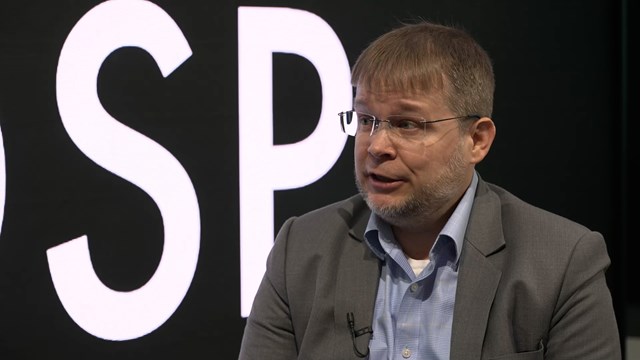
Jukka-Pekka Salmenkaita, Managing Director, Gridle/Elisa Industriq
Jukka-Pekka Salmenkaita, managing director at Gridle, part of the Elisa Industriq portfolio, discusses how his software-based operation sprung from initial work on energy efficiency and management at Finnish operator Elisa and how Gridle is helping other network operators meet their green network goals.
Recorded March 2026
Email Newsletters
Sign up to receive TelecomTV's top news and videos, plus exclusive subscriber-only content direct to your inbox.