New report from Mova and AbilityNet reveals hidden human cost of inaccessible services
A new report published today shows that poorly designed services and a lack of choice make it hard for people with vulnerabilities to access essential support. In an increasingly digital world inaccessible services can cause deep, but preventable harm.
‘Inclusive by Design: How service providers can reduce avoidable harm through inclusive design, accessible channels and human support’, published by Mova in partnership with AbilityNet, is based on in-depth interviews with people experiencing a broad range of vulnerabilities. It explores their lived experience of navigating banking, healthcare, utilities, benefits and telecoms services, and documents the human cost when those service journeys fail: shame, stress, anxiety, exhaustion, reduced independence, financial loss and increased reliance on informal carers.
Foreseeable and preventable harm
Designed to go beyond existing statistics, the report examines the lived experiences of people facing physical and mental ill-health, bereavement, financial hardship, caring responsibilities and digital exclusion. Most research participants faced several of these at once.
It finds that psychological harm is cumulative, and that repeated failed interactions generate frustration and anger, then shame and self-doubt, then anxiety, dread and avoidance. This chain can end in learned helplessness, a belief that there is no point in trying. Participants also reported deepening social isolation as offline services closed and financial losses from missed entitlements, mounting penalty charges and misunderstood contracts. One participant, Jeny, 55-64 described what happened when a process defeated her: “I lost out on three months’ money because I just… I just didn’t have the strength. It taxes my brain so much…My savings ran out, then I had to sign on. It’s taken a toll on my mental health as well. I get really annoyed with myself. I feel useless. I’m only 61 ”.
Report Recommendations
The report’s first recommendation is to agree a voluntary cross-industry minimum service standard between service providers, regulators, industry bodies and civil society, setting out what vulnerable people and carers can expect across all essential services. It calls on government and regulators to help define those expectations and to apply the same standards across public services.
Four further recommendations follow in support of this standard:
- Provide genuine channel choice, so people can access connected services digitally, by phone, on paper, in person, or through community-based routes that work for them.
- Make digital services accessible, usable and completable by removing avoidable barriers and making it easy to reach a human when digital routes fail.
- Communicate clearly, humanely and with authority to resolve issues, using plain language, fewer handovers and frontline colleagues that are empowered to exercise discretion.
- Design for continuous inclusion, embedding inclusive design into governance, procurement, product development and frontline training, rather than treating it as a one-off fix.
The report argues that these five recommendations would benefit organisations as well as customers by improving completion rates and reducing repeat contact, escalation, complaints and failure demand.
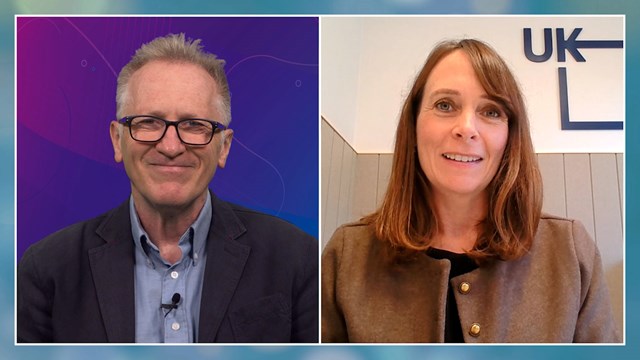
Ben Roome, CEO of Mova, said: ‘Too often, vulnerability is treated as a niche issue rather than something that can affect any of us at different points in our lives. This research shows the consequences when services are designed around an ‘average’ customer. What might seem like a minor inconvenience can mean financial loss, reduced independence or missed access to essential support for someone facing vulnerability.
Inclusive service design cannot be an afterthought. Service providers, regulators, industry bodies, civil society and government need to work together to make inclusive service the norm, not the exception. Designing around all our needs is the right thing to do and delivers better outcomes for customers, businesses and society as a whole.’
Ellen Martin, Research and Evaluation Manager at AbilityNet, added: ‘Service providers are not yet doing enough to support their vulnerable customers. ‘Inclusive By Design’ encourages them to reflect on how they understand vulnerability, and consequentially, how they design their services with this in mind. Accessible services and good customer care means offering flexibility and choice. This research, and the real-life experiences that it contains, highlight the widespread frustrations and harms that inaccessible services cause. It also presents a crucial opportunity: for service providers to recognise their role in preventing this same harm, especially in this ever-increasing digital world. We’re excited to see these report recommendations made reality.’
Download the report on the Mova website.
Email Newsletters
Sign up to receive TelecomTV's top news and videos, plus exclusive subscriber-only content direct to your inbox.