Comcast and friends demo quantum-assisted network optimisation

By Martyn Warwick
Feb 19, 2026
- A joint experiment by Comcast, Classiq and AMD demonstrates further advances in combined quantum and classical computing network simulations
- Quantum-ready simulation demonstrates that workflows for use in high-performance computing (HPC) environments can address and solve complex network engineering challenges.
- Quantum computing for network optimisation is practical and scalable
- The development is significant as networks continue to expand and become more complex
The quantum juggernaut continues to gain traction and momentum with the news that US cable network operator Comcast, quantum computing software specialist Classiq and chip giant AMD have partnered and demonstrated a new quantum algorithm that, they claim, will make for a “more resilient and reliable internet.”
The announcement follows the successful conclusion of a trial designed to optimise and “improve internet delivery by leveraging quantum algorithms to supercharge network routing resilience.”
The optimisation of global communications infrastructure is already a major issue that gets more pressing by the day as networks grow: The bigger the network, the more intensive computing power and resources must be applied – and quantum computing has the potential to solve what is a massive challenge.
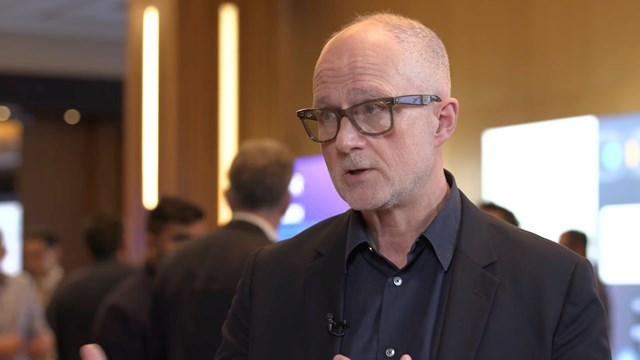
Commenting on the new algorithm, Elad Nafshi, the chief network officer (CNO) at Comcast Connectivity and Platforms, stated: “What our customers want is simple: fast, secure and reliable connectivity, but when you operate a network as large and dynamic as ours, delivering on that promise is complex, especially in the face of ever-growing network demand. We launched these trials with Classiq last year with the goal of understanding how quantum software and technology could tackle real network challenges. Our results have shown that quantum computing for network optimisation isn’t theoretical – it’s practical, scalable, and grounded in the needs of our customers.”
The joint trial was designed to find a solution to one of the fundamental network design challenges in networking – identifying independent backup paths for network sites when implementing network maintenance and change management.
The goal of the trial was that if a network site is taken offline for routine maintenance, and a second site should unexpectedly fail during that period, network traffic could still be seamlessly rerouted without any disruption or degradation to customer connectivity.
For such a desirable outcome, operators have to identify unique backup paths that are fast, resilient to simultaneous link failures, and optimised for the lowest latency delivery. This is a task that becomes exponentially harder to identify the bigger and faster networks get.
The Comcast, Classiq and AMD trial applied quantum techniques in tandem with high-performance ‘classical’ computing resources to determine if quantum algorithms could successfully identify unique network backup paths in real-time across periods and instances of change management.
The experiment demonstrated the execution of the new algorithm on quantum hardware and in “accelerated simulation environments” that exploited AMD Instinc GPUs (graphics processing units) to achieve qubit scale computational capacity that, as yet, is not possible using quantum hardware alone.
With the GPU-accelerated simulations, the research teams were able to iterate rapidly and validate the behaviour of the algorithm together with system runs carried out on quantum hardware to assess the success or the experimental implementation.
Nir Minerbi, the co-founder and CEO of Tel Aviv, Israel-based Classiq, stated: "Enterprise quantum R&D requires rapid iterations and repeatable workflows. This collaboration demonstrates how teams can ideate, model complex optimization problems and then run them quickly and efficiently across different backends, including both GPU-accelerated simulation and quantum hardware, while keeping the work portable as the ecosystem evolves.”
Classiq’s platform exploits AI coding and high-level, open-source modelling language (Qmod) to automatically implement optimised, scalable hardware-ready quantum circuits.
For his part, Madhu Rangarajan, corporate vice president of Compute and Enterprise AI Products at AMD, commented: “The future of computing is a convergence of classical and quantum computing. As a leader in high-performance classical computing, we’re exploring how we take our high-performance computing products and use them to support quantum. This collaboration shows a real-world example of how accelerated simulation and quantum execution can co-exist to solve a problem that matters to network operations.”
Email Newsletters
Sign up to receive TelecomTV's top news and videos, plus exclusive subscriber-only content direct to your inbox.