- AT&T gets into gear with Toyota
- Ericsson reports sales decline, margin improvement for Q3
- Samsung boasts record Q3 profits but suffers lawsuit loss
In today’s industry news roundup: AT&T is to provide 5G connectivity to select Toyota vehicles in the US market; Ericsson’s sales were down but its gross profit margin improved in the third quarter; Samsung is to report its best ever third-quarter profits thanks to demand for its memory chips but a US court has found it guilty of wireless patent infringements and imposed a massive fine; and more
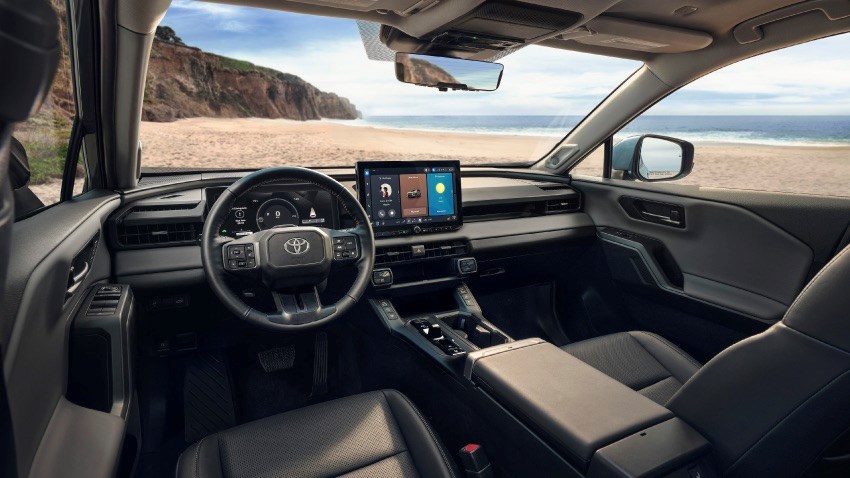
AT&T has struck a deal with Toyota Motor North America that will see the popular carmaker add the telco’s 5G connectivity to some of its 2026 vehicles. “AT&T 5G connectivity will transform the in-car experience, offering enhanced connectivity, enhanced in-car audio entertainment and connected services,” noted the operator in this announcement. The connectivity will “enable enhanced integrated audio streaming, a reliable Wi-Fi hotspot, seamless real-time navigation, remote services and over-the-air updates,” it noted. AT&T 5G will “support Toyota Connected Services, which includes safety and convenience features, navigation, remote services and vehicle maintenance,” it added. Brian Inouye, chief engineer at Toyota Motor North America, stated: “Toyota is collaborating with AT&T to enhance our commitment to delivering innovative, customer-centric solutions. As we develop more connected vehicles, 5G sets the stage for future mobility innovations by enabling more engaging experiences for our customers.”
Ericsson reported slightly lower revenues but improved margins for its third quarter. Total revenues came in at 56.2bn Swedish krona ($5.88bn), down by 2% year on year on an organic, like-for-like basis (including adjustments for currency exchange fluctuations), while the vendor’s adjusted gross margin improved to 48.1% from 46.3% a year ago, driven by improvements in the Networks and Cloud Software and Services divisions. CEO Borje Ekholm highlighted the company’s “solid progress on technology initiatives… our Open RAN-ready portfolio includes an AI-native, future-proof software architecture, which is hardware agnostic. The portfolio integrates with third-party radios and supports Ericsson silicon and third-party CPU/GPUs,” he boasted in the earnings press release. During the company’s earnings conference call held early on Tuesday morning, Ekholm highlighted the company’s improved cost base, helped in part by a workforce reduction of 6,000 roles in the past year, and improved operational efficiency. For the full details of Ericsson’s third-quarter financial results, see this press release. The financial news came as Ericsson detailed its involvement in Vodafone’s European ‘Spring 6’ RAN refresh programme – see Vodafone and its vendors offer RAN refresh update.
Samsung Electronics is to report a third-quarter operating profit of 12.1tn won ($8.5bn), up by 32% year on year, marking its highest third-quarter profit ever and its best quarterly profit in more than three years, the South Korean tech giant reported on Tuesday. Third-quarter revenues are set to come in at about 86tn won ($59.4bn), up by about 8.7%, driven by strong demand for conventional memory chips used in datacentres. The news came as Samsung and Vodafone provided further details about the telco’s deployment of Samsung Open RAN network technology in Europe, but also as news emerged that a court in Texas has ruled that Samsung owes patent holder Collision Communications nearly $445.5m in damages for patent infringements related to 4G, 5G and Wi-Fi products. Reuters reports that Samsung has denied the allegations and argued that the patents were invalid.
Broadband access equipment vendor TP-Link says it has “successfully demonstrated Wi-Fi 8 connectivity, transmitting data with a prototype device developed through a joint industry partnership. The test successfully validated both the Wi-Fi 8 beacon and data throughput, confirming the viability of the technology and marking a critical milestone in Wi-Fi 8 development. This technology is poised to deliver the ultra-reliable wireless performance that the industry will require as more devices and bandwidth-intensive applications come online.” Read more.
Deutsche Telekom has adopted the Bug Bash ethical hacking tournament model already used by T-Mobile US to help identify weaknesses in its networks and IT systems. The German telco is hosting nine ethical hackers at its headquarters in Bonn this week and has tasked them with “detecting security vulnerabilities in products or systems”, with the hackers in line to win ‘bounties’ of up to $100,000 for any security flaws discovered in the 5G technology that the hackers will try to breach. Read more.
– The staff, TelecomTV
Email Newsletters
Sign up to receive TelecomTV's top news and videos, plus exclusive subscriber-only content direct to your inbox.