BT plans further cuts as sales growth proves elusive

By Ray Le Maistre
May 21, 2026
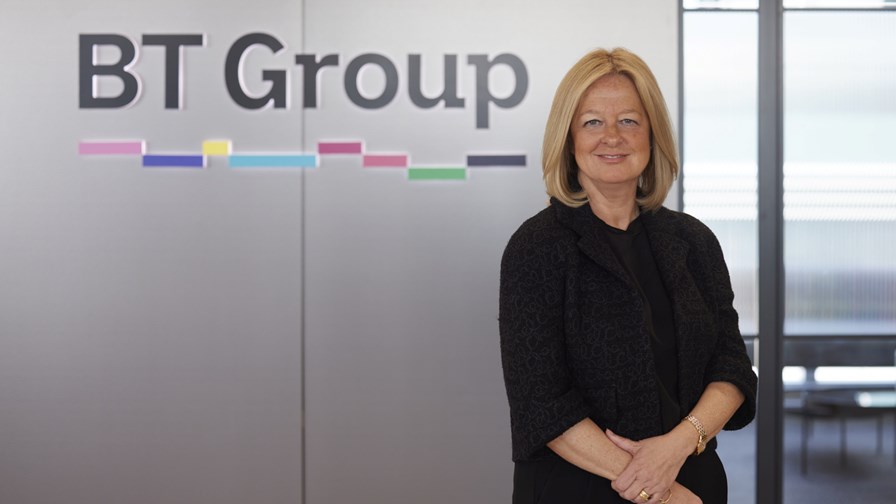
BT Group CEO Allison Kirkby © BT Group.
- BT has published its full fiscal year results
- Revenues have dipped and margins have flatlined
- The UK telco is increasing its cost-cutting target by more than 20% to £3.7bn
- Tens of thousands of staff and subcontractors will be let go over the next four years as BT’s fibre access rollout concludes and the telco embraces AI and automation
With revenue growth proving elusive and earnings levels flatlining, BT Group has decided to increase its cost-cutting target by more than 20% to £3.7bn from £3bn and has extended its “cost transformation” period by one year to March 2030, by which time its total headcount is expected to be tens of thousands of workers smaller.
The UK national operator reported revenues for the full financial year that ended in March 2026 (aka FY26) of £19.65bn, down by 4% on an adjusted basis (taking into account one-time items), while adjusted EBITDA was flat year on year at £8.23bn. According to the telco, the dip in revenues was due to lower revenues from BT International (including sales from the parts of that operation that have or are being divested), a decline in handset sales and “declines in adjusted UK service revenue”, which dipped by 1% to £15.45bn for the full year.
Given that BT is now strategically focused on its UK operations, that decline in UK service revenues must stick in the craw of CEO Allison Kirkby (pictured above) and her management team, especially as there doesn’t appear to be any prospect of a near-term uplift, as BT expects adjusted UK service revenues for the current financial year that ends in March 2027 to be between £15.1bn and £15.4bn (which represents a slight reduction even at the top end of the range).
So BT, which recently unveiled its Behind Brilliant Things campaign, plans to cut into its cost base even further.
When Kirkby unveiled the telco’s new strategy in May 2024, it included not only that laser focus on the UK market but also plans to cut the telco’s annual cost base by £3bn (at a cost of £1bn) by the end of March 2029.
It has made progress with that plan, having reduced its annual operating costs over the past two years by £1.5bn at a cost of £800m. It has achieved this, in part, by reducing its headcount (comprising BT staff and subcontractors) from 120,000 to 108,000 in the past two years: During that time, the number of subcontractors has actually increased to 31,000, up from 28,000 in early 2024, as BT’s fibre-to-the-premises (FTTP) network rollout continues apace, while the number of “direct” employees has been cut from 92,000 two years ago to 77,000 now.
BT has also reduced the amount of electricity consumed by its networks during the year to the end of March 2026 by 6%, helped by the retirement of legacy systems. As a result of these measures, BT’s full year operating costs for FY26 came in at £16.76bn.
Now that annual cost reduction target has been raised by £700m to £3.7bn (at a total cost of £1.4bn) and the timeline for achieving that goal has been extended by a year to March 2030. By that time, BT expects its total headcount to have been reduced to between 75,000 and 80,000, with far fewer subcontractors being used as the FTTP rollout will have been mostly completed. That headcount reduction will also be enabled by a greater use of AI and the introduction of automated processes, the operator noted in its earnings presentation slides.
If the total does shrink to 75,000, that would represent a total headcount reduction of 45,000, or 37.5%, in the space of six years. This should not come as a surprise, though, as BT shared its significant headcount reduction plans as long ago as May 2023.
In the meantime, BT is also making headway on important network and customer base plans. Its quasi-autonomous wholesale access network division Openreach continues to roll out its FTTP network, which now reaches 23 million UK premises (more than two-thirds of the country’s total) having passed an additional 4.8 million premises during the most recent financial year, which BT claims is the fastest FTTP rollout in Europe. The total number of premises actually connected to the Openreach wholesale FTTP network has now reached 8.8 million, giving it a take-up rate of just over 38%.
The telco says it is on course to reach its target of 25 million premises passed by its fibre access network by the end of December 2026.
However, Openreach is feeling the impact of fiercer competition in the UK wholesale broadband sector, as its fixed broadband connections total dipped by 825,000 during the financial year to 19.27 million as ISPs opt for rivals, such as CityFibre and Nexfibre, and BT expects that total to shrink again during the current financial year by a further 800,000.
But this is a long-term play and BT has stuck with its FTTP focus though, of course, this is an expensive endeavour. Its fibre rollout programme kept BT’s capital expenditure (capex) spend at relatively high levels for the past year at £5.1bn (equivalent to almost 26% of total revenues, way above the telco sector capital intensity average). With the FTTP rollout programme nearly over, though, BT expects the capex figure (excluding spectrum licence costs) for the current year to be much lower, at £4.3bn.
In terms of its retail operations, BT’s FTTP customer base grew by 31% over the financial year to reach 4.5 million (4.2 million consumer customers and 300,000 business customers).
In the mobile market, where BT prides itself on offering the best network (according to independent assessments from the likes of Opensignal), BT’s 5G customer base grew by 10% over the year to reach 14.5 million.
“FY26 was another year of strong delivery against BT’s strategy,” noted Kirkby in the telco’s earnings press release. “We are building the UK’s digital backbone even faster and further, connecting the country like no one else and accelerating our transformation – and we know there is much more we can do, as we create a better BT for all of us.”
While BT expects to report growth in revenues and earnings in the “mid-term”, investors appear to have been expecting more in the short term, as BT’s share price slumped by 5.2% to 219 pence on the London Stock Exchange during trading on Thursday.
However, it has to be noted that BT’s share price has been on a steady rise since Kirkby took over as CEO in February 2024 and it has essentially doubled since she introduced the current strategy in May 2024: BT’s shareholders might do well to have faith in her process and plans, which have always hinged on ensuring that the operator has a strong FTTP and mobile access network foundation to support BT’s service plans while identifying ways to maximise efficiencies.
- Ray Le Maistre, Editorial Director, TelecomTV
Email Newsletters
Sign up to receive TelecomTV's top news and videos, plus exclusive subscriber-only content direct to your inbox.