To embed our video on your website copy and paste the code below:
<iframe src="https://www.youtube.com/embed/IOcVKQ_6c6Q?modestbranding=1&rel=0" width="970" height="546" frameborder="0" scrolling="auto" allowfullscreen></iframe>
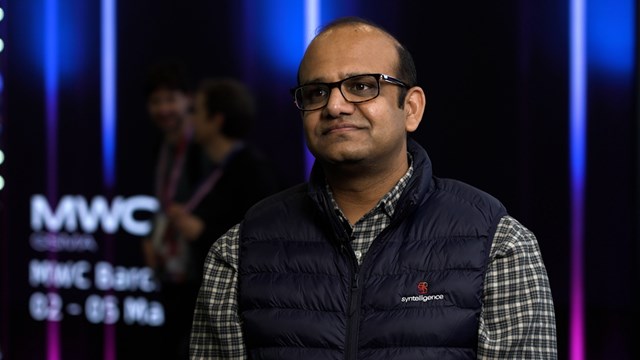
Well, picking up on how the environment is changing in terms of digital services and serving other industries, telcos are going to need to be far more flexible in how they put together services for enterprises or for industries. I think they're going to have to pull from elements of core capabilities, access capabilities when RAN and edge capabilities very flexibly. And that means they need to have a set of assets available that they can recompose for a particular customer or a particular industry as needed, and they need to be able to modify those as the customer's needs are changing. So they need to stop thinking about a single service from point A to point B and have a set of assets core to edge that they can combine.
Erez Sverdlov, Nokia (01:15):
A core-to-edge strategy is crucial for unlocking the full potential of 5G. Moving network function closer to the end user, drastically reduces latency, which is critical factor for application like autonomous vehicles and augmented reality. This proximity also improves network responsiveness and enables new location specific services. Furthermore, edge computing reduces backhaul strain on the core network and enhance security by processing data closer to IT source. Finally, it opens opportunities for new revenue streams through edge based services
Phil Cutrone, HPE (02:01):
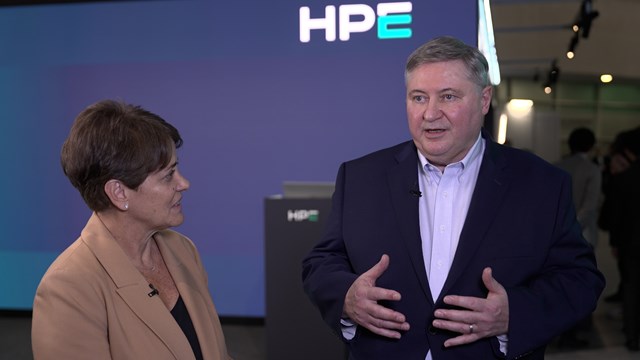
In any type of hybrid environment. Moving the application where it's best suited for a cost perspective, performance, quality of service is always key, and so for the operators moving a lot of those workloads even as close to the cell site, or really close, either at the cell site or close to the cell site, and data center, can actually improve quality service significantly, especially for say, streaming applications or gaming where it's becoming critical. Also, having the distributed resources yet managed centrally gives the opportunity for managing security, maintaining the servers remotely. So think about this entire hybrid environment, optimize cost and resiliency for the network.
Safy Fishov, AMD (02:45):
If you want to move to a real cloud-based network and you want to benefit from a cloud-based network, you really need a unified core to edge strategy, with a unified software containerization environment across your network. You don't want to have something like VMware in part of your network and then Red Hat more close to the edge. You lose the advantage of moving to a cloudified network when you break it up between core and edge. So having synergy and harmony between the edge and the core is really important to benefit from a cloud-based network.
Please note that video transcripts are provided for reference only – content may vary from the published video or contain inaccuracies.
4 in 4: Telco Infrastructure: Core to Edge - Episode 2
This episode delves into the significance of adopting a core-to-edge strategy for telecommunications companies. Experts from Appledore Research, Nokia, HPE and AMD discuss how this approach enhances flexibility, reduces latency, improves network responsiveness and supports new revenue streams. They explore the need for telcos to dynamically adapt services for various customer needs and the advantages of edge computing in a cloud-based network environment.
Featuring:
- Erez Sverdlov, VP, Cloud and Network Services, and Market Leader for Europe, Nokia
- Grant Lenahan, Partner and Principal Analyst, Appledore Research
- Phil Cutrone, SVP & GM, Service Providers, Telco, OEM, Hewlett Packard Enterprise
- Safy Fishov, Corporate Vice President of Data Centre OEM Sales, AMD
Recorded November 2024
Email Newsletters
Sign up to receive TelecomTV's top news and videos, plus exclusive subscriber-only content direct to your inbox.