Huawei’s TECH Cares Forum, held in conjunction with MWC26 Barcelona, highlighted progress and the key outstanding issues in the drive towards digital inclusion for the world’s unconnected people. According to the GSMA, more than 300 million people globally still have no mobile network access.
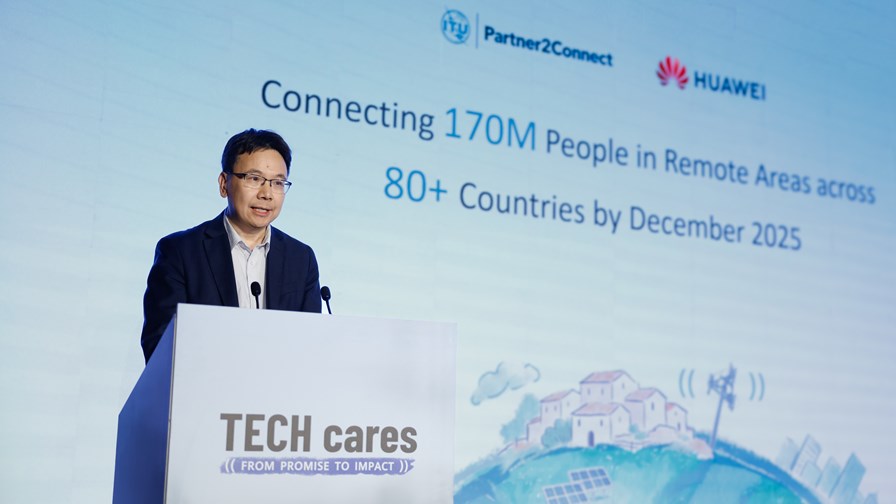
Mr Yang Chaobin, CEO of Huawei ICT BG, pointed out that over the past two decades, the communications industry has worked hard to bridge these kinds of digital divides. “But the rapid advancement of AI seems to be widening [the divides]. This means we need to work even harder for digital inclusion,” he said.
“In 2022, Huawei joined the ITU [International Telecommunication Union] Partner2Connect coalition and pledged to provide 120 million people in remote areas of more than 80 countries with access to a digital society by 2025,” Mr. Yang Chaobin stated. “By the end of 2025, we had worked with our customers to help 170 million people in remote areas connect to the digital world.”
This set the scene for a distinguished group of keynote speakers and panellists to outline their own progress in the area of digital inclusion. According to Jeff Wang, President of Huawei Public Affairs and Communications, inclusive connectivity and digital skills empowerment serve as the two core pillars of digital inclusion. To bridge the digital skills gap, Huawei works closely with governments and partners to enhance digital access, deliver skills training, and advance STEM education for underserved communities.
Since its launch in 2019, Huawei’s Skills on Wheels programme has brought mobile digital training to over 130,000 people in 21 countries, opening up new opportunities for underserved communities.
Marina Madale, Executive of Sustainability and Shared Value at MTN Group, asserted that connectivity is not a privilege but a foundational infrastructure for Africa’s growth. In alignment with Jeff Wang, she noted that MTN is prioritising expanding rural connectivity, driving device affordability and building digital and AI-ready skills.
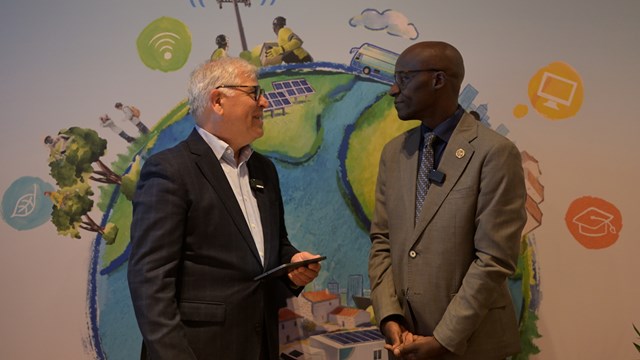
In his keynote address, Dr Cosmas Luckyson Zavazava, Director of the Telecommunication Development Bureau at the ITU, stated, “We are here because we care about the unconnected and we want everyone to benefit from digital transformation. We have the responsibility to put people at the heart of digital inclusion. When connectivity is absent, unaffordable or unreliable, the benefits remain theoretical. When it is present, inclusive and sustainable, it becomes a catalyst for real and lasting change.”
He emphasised that initiatives such as ITU’s Partner2Connect Digital Coalition (P2C), in which Huawei plays a pivotal role, matter. This global alliance helps to mobilise partnerships and commitments to advance digital connectivity.
By working with governments and partners, Huawei has provided inclusive digital education to support vulnerable groups, such as K-12 students (kindergarten children to 12th graders, typically ages 5 to 18), unemployed youth, and the elderly. It has also provided schools with network connectivity and smart devices to make quality education accessible.
Skills on Wheels, launched in 2019, converted containers and buses into mobile classrooms and delievered them to underserved areas. Over seven years, this programme has helped 130,000 people across 21 countries gain basic digital skills.
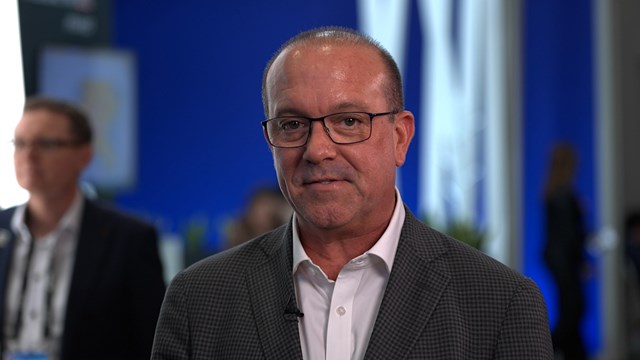
Ambassador Philip Thigo, Kenya’s Special Envoy for Technology, stressed in his presentation that connectivity is critical for creating AI solutions as well as for those using it, whether they be in government, or are enterprises or individuals. In his video interview, he outlined how Kenya is working to address these connectivity requirements, and thus ensure wide access to AI. He also explains how the government is preparing its citizens, both rural and urban, for digital literacy and upskilling for AI.
Email Newsletters
Sign up to receive TelecomTV's top news and videos, plus exclusive subscriber-only content direct to your inbox.